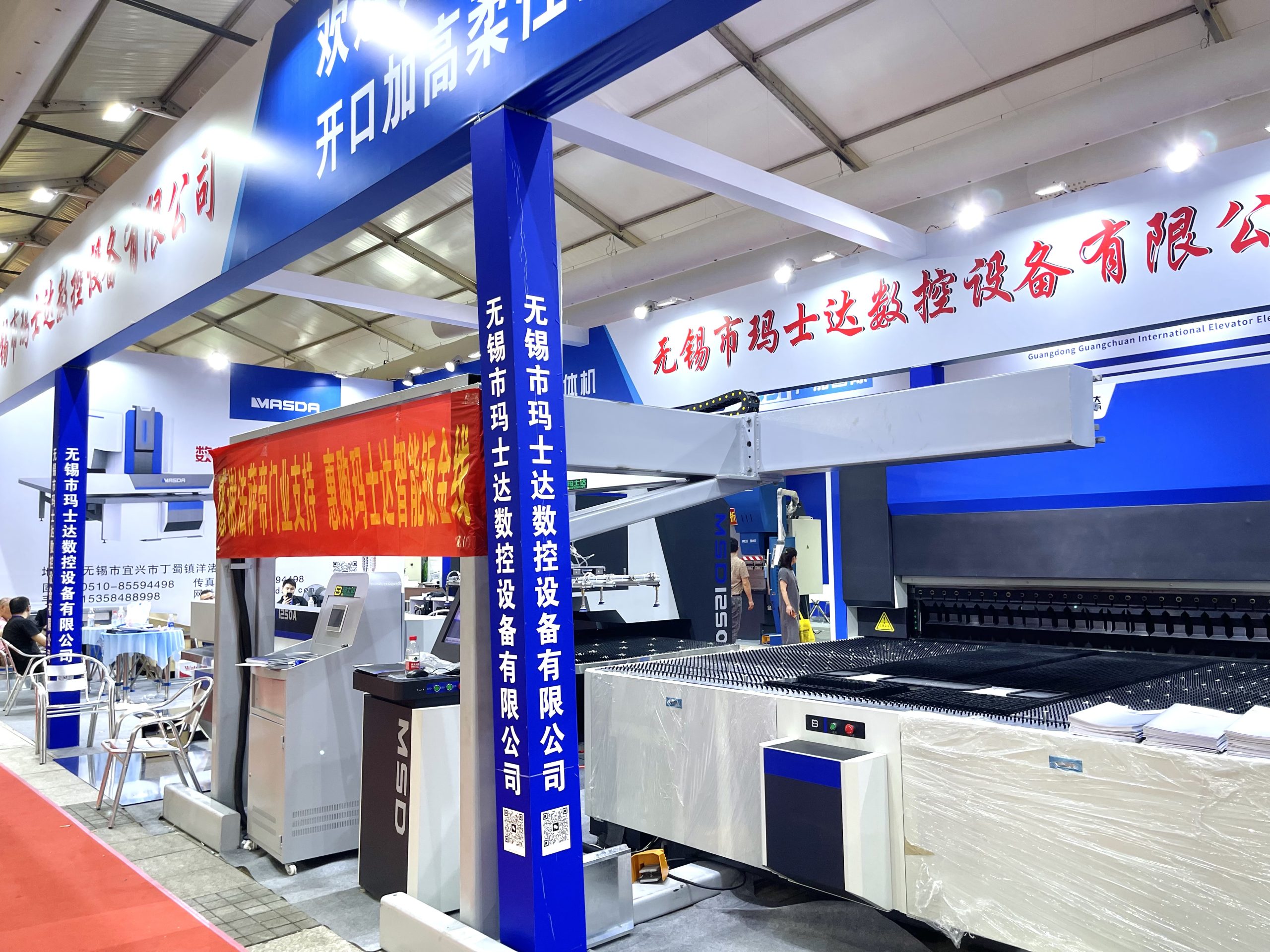
MASDA shines at 2024 Yongkang Door Fair: Lead the Upgrade of Door Industry Manufacturing
 Mar,02 2025
Technology leads development, innovation wins the future

Summary: Bending centers are core intelligent equipment in the sheet metal processing sector; the market was long dominated by imported brands. With the rapid rise of domestic manufacturing, however, Chinese-made high-end bending centers have achieved significant technological breakthroughs.
This article outlines the key criteria for selecting a bending center manufacturer and analyzes the advantages of leading domestic companies in the context of the current industry landscape.
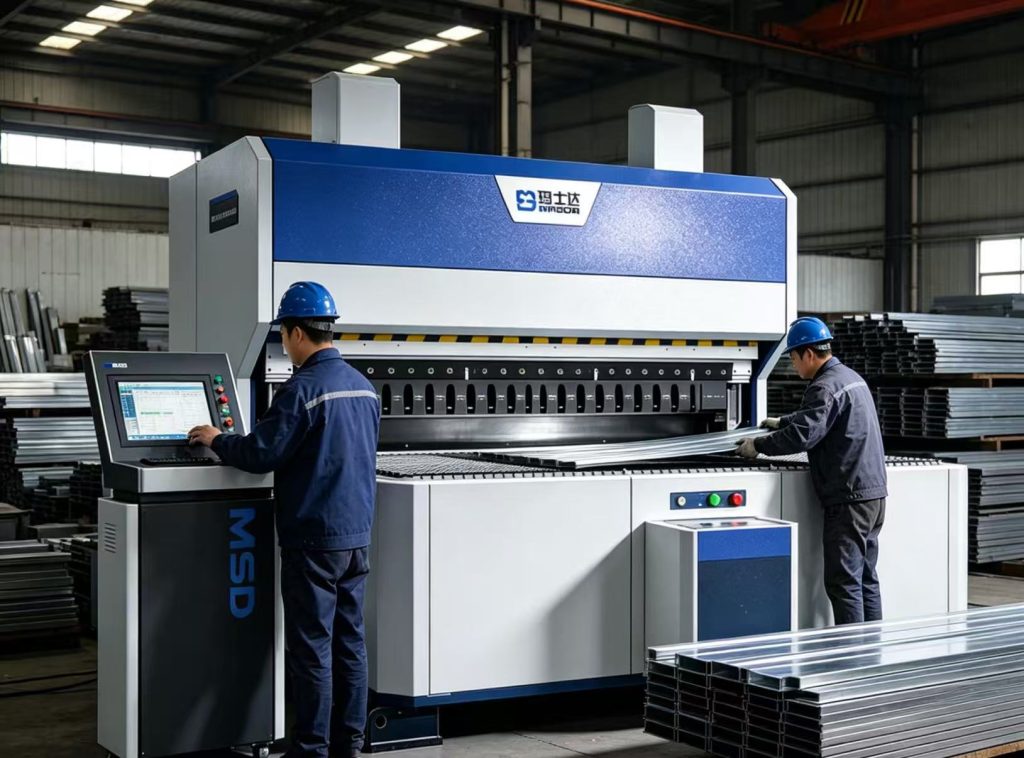
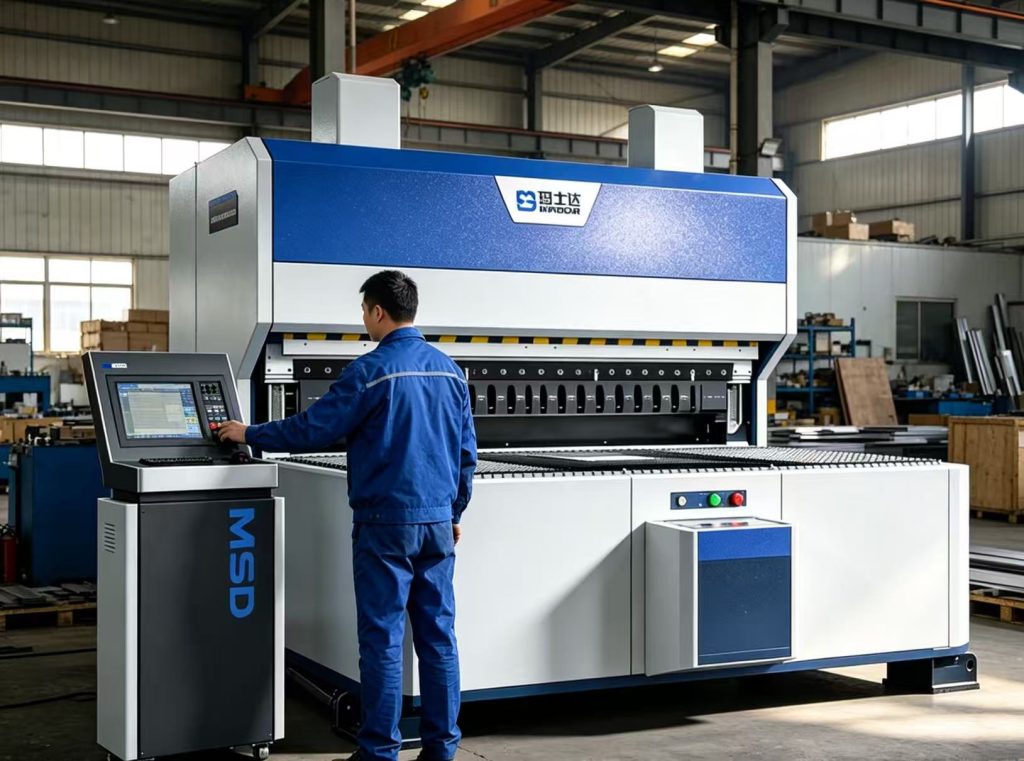
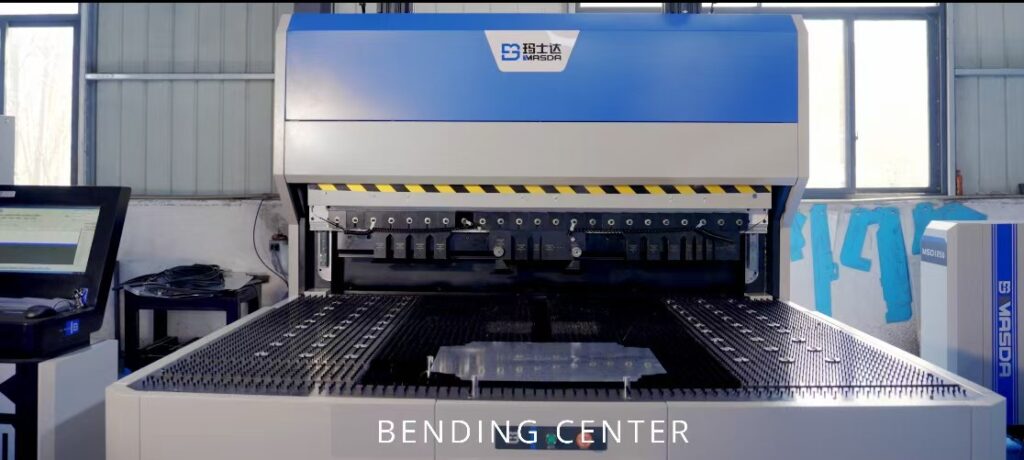
In the field of intelligent sheet metal manufacturing, bending centers are widely used—across sectors such as enclosures and cabinets, new energy equipment housings, medical devices, elevator components, and kitchenware—thanks to advantages like automated feeding, automatic bending/forming, and reduced reliance on operator experience. They are ideally suited for the production of diverse, small-batch sheet metal orders.
Purchasing a bending center represents a significant investment in fixed assets. Decisions should not be based solely on price; instead, a comprehensive evaluation should cover five dimensions: R&D and manufacturing capabilities, equipment technical performance, processing versatility, after-sales service, and project track record.
Bending centers are high-precision intelligent machines that demand rigorous standards for machining processes, assembly, and testing capabilities. It is advisable to prioritize large-scale original manufacturers that possess their own production bases and precision machining lines, and that have a long history in the industry. As a major domestic manufacturer,
Masda boasts over twenty years of experience in producing sheet metal processing equipment, with a specific focus on the door manufacturing industry.
Some manufacturers promote impressive specifications, yet their equipment may suffer from precision degradation after prolonged continuous operation. Key areas to examine include: the machine body’s stress-relief aging process, servo drive systems, bending compensation technology, and the openness of the control system.
Masda is deeply committed to the R&D of bending center technology, mastering the full suite of core mechanical and control technologies. Holding numerous patents, the company has built significant technical expertise in areas such as repetitive positioning accuracy, continuous operational stability, and the flexible bending of complex workpieces; its equipment performance rivals that of mainstream international brands.
When selecting a model, avoid blindly pursuing high-end specifications; instead, base your choice on actual production conditions—such as common sheet materials and thicknesses, workpiece dimensions, bending sequences, and order batch sizes. Reliable manufacturers offer recommendations tailored to your specific workpieces and allow for on-site trial bending, enabling you to directly verify the equipment’s actual processing performance.
A bending center is a core piece of production equipment; any breakdown or downtime results in a direct loss of production capacity. Imported brands often suffer from issues such as long lead times for spare parts and high costs for on-site service.
Leading manufacturers offer distinct advantages: they maintain localized service teams and ample spare parts inventory, providing comprehensive lifecycle support that includes installation and commissioning, operator training, regular inspections, and rapid troubleshooting responses.
Masda has established a robust after-sales service system, offering a one-stop solution that includes process sampling, equipment training, remote maintenance, and on-site repairs, thereby helping enterprises minimize long-term operational and maintenance risks.
Assess whether the manufacturer has a significant number of clients in your industry. Reviewing on-site applications by similar clients provides insight into the equipment’s performance during long-term operation—offering far greater practical value than promotional materials alone.